HEIGHT
1 metre by the road
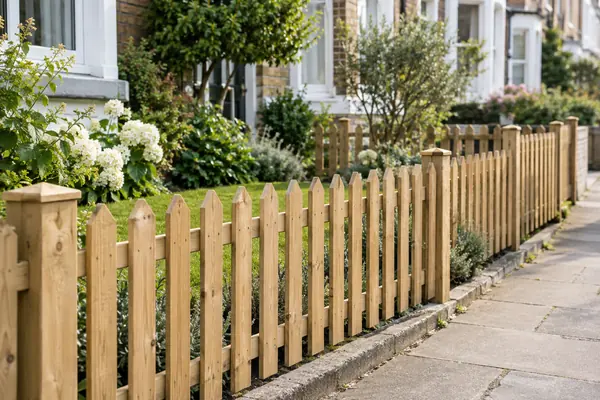
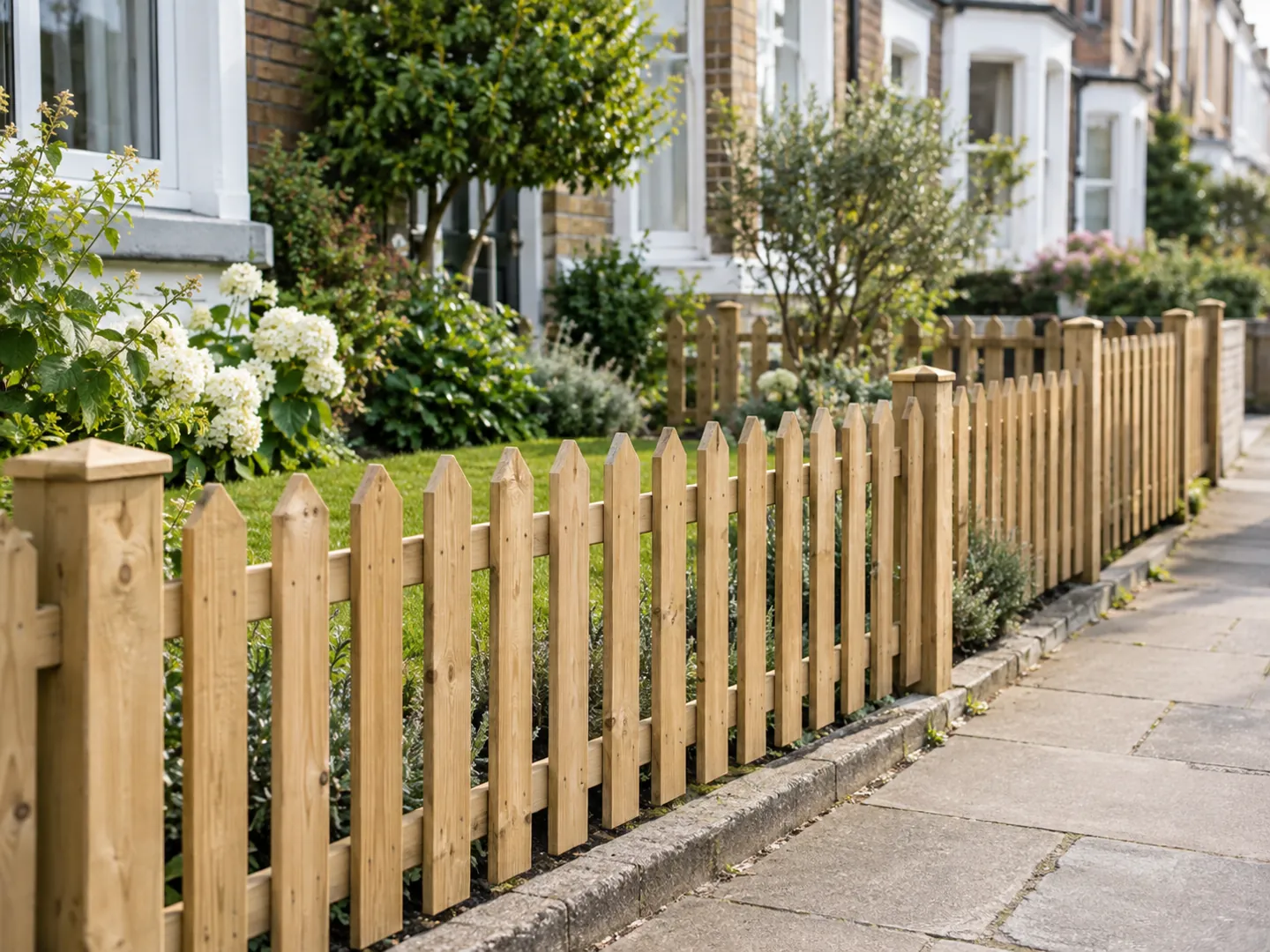
The Planning Portal says a fence next to a road used by vehicles, or its footpath, usually needs no permission up to 1 metre. Elsewhere the limit is 2 metres.
Check a fence doodlepicket
WHAT THE GUIDANCE SAYS
A fence is a small project with a few big rules.
Check a fence
1 m · 2 mroad side · elsewhere
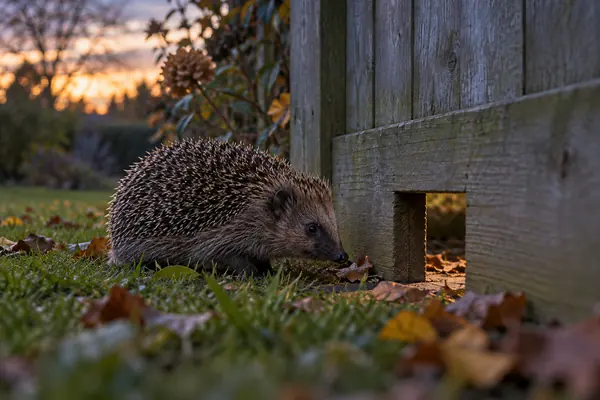
In England, planning guidance sets simple height limits for fences, walls and gates. Ownership is often less clear than people think, and a small gap at the bottom can help hedgehogs roam.
At a glance
14,000+
Boundary queries, November 2025 to August 2026
HM Land Registry handled more than 14,000 queries about property boundaries in those months, up from less than 10,000 in the same period a year earlier.
BOUNDARIES · HM LAND REGISTRY
33–77%
Estimated fall in rural hedgehogs, two decades
The State of Britain's Hedgehogs 2022 estimated countryside hedgehogs fell by an average of 8.3% a year. Urban populations appear stable and may be growing.
HEDGEHOGS · NHM
TWO NUMBERS WORTH KNOWING
One figure on how often boundaries cause queries,
one on why the hedgehog gap matters.
The Natural History Museum reports that holes in fences at ground level let hedgehogs through while blocking larger animals.
A QUICK FENCE CHECK
Pick a fence plan to see what the Planning Portal guidance for England says. The bar shows how likely it is that you need permission.
Based on Planning Portal guidance for England. Wales may differ and local rules can apply, so check with your council if unsure. Not legal advice.
THE SHORT ANSWER
Planning rules cover height.
Neighbours and wildlife cover the rest.
HEIGHT
The Planning Portal says a fence next to a road used by vehicles, or its footpath, usually needs no permission up to 1 metre. Elsewhere the limit is 2 metres.
Check a fenceOWNERSHIP
Most title plans show general boundaries, not exact ones, and there is usually no record of who owns the fence between two properties.
Boundary mythsHEDGEHOGS
Hedgehogs roam about 1 to 2 km a night. Hedgehog Street recommends a 13 x 13 cm hole at the base of fences to let them through.
How to help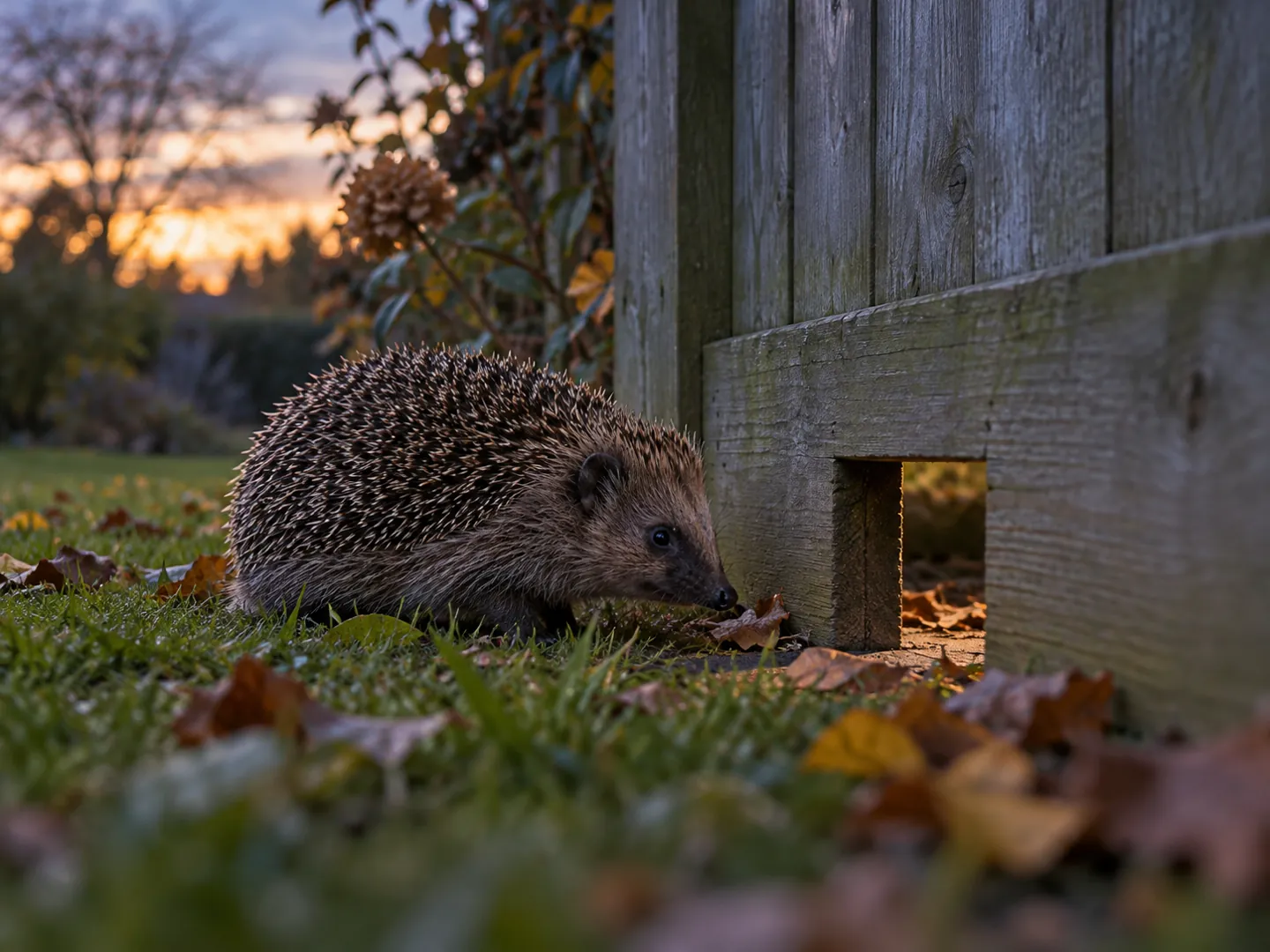
FOUR STEPS TO TRY
None of these costs much. They save arguments, paperwork and, for hedgehogs, a long detour.
Height limits are measured from ground level: 1 metre beside a road or its footpath, 2 metres elsewhere.
Listed buildings, conservation areas, article 4 directions and planning conditions can all change the rules.
Ownership is often unrecorded. A boundary agreement with your neighbour can record it more precisely.
A 13 x 13 cm hole at the base links gardens for an animal that travels 1 to 2 km a night.
BOUNDARY MYTHS
HM Land Registry says it is a myth that the fence on your left or right automatically belongs to you, or that the side the posts are on shows who owns it. The red line on a title plan is usually not the exact legal boundary either.
"T" marks on plans may show who is responsible for maintaining a boundary feature, but do not always prove ownership. HM Land Registry cannot decide who owns a fence if the registered information does not make it clear.
Questions
In England, generally up to 1 metre next to a road used by vehicles or its footpath, and up to 2 metres elsewhere, measured from ground level, according to the Planning Portal.
The Planning Portal says hedges themselves do not need planning permission, although a planning condition or covenant restricting planting may require consent.
No. HM Land Registry lists this as a myth, along with the idea that fence posts show ownership.
Usually not. Most title plans show general boundaries, and in England and Wales there is usually no record of the exact boundary or of who owns the fence between two properties.
Hedgehog Street recommends a 13 x 13 cm hole at the base of a fence or wall, enough for hedgehogs, which roam about 1 to 2 km a night.
Sources
ABOUT THIS NAME
doodlepicket.com is part of the DoodleSale portfolio. It isn't in an auction right now, but you can ask about leasing it.